6 Water Safety Rules Every Family Should Know This Water Safety Month
12 May, 2026
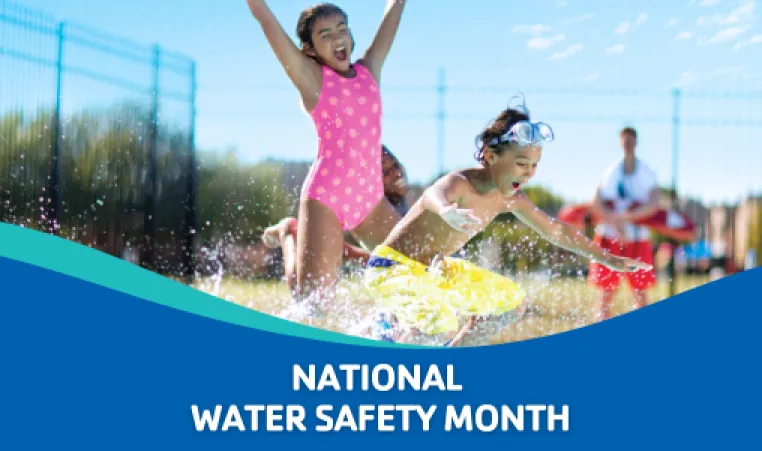
May is Water Safety Month, and at the Y, keeping kids and families safe in and around the water is a mission we take seriously every single day. Whether you're heading to the pool, a lake, or the backyard sprinklers, knowing the rules before you splash can make all the difference.
As we celebrate the YMCA's 175th anniversary, we're sharing six essential water safety rules that every family should know. Teach them, practice them, and pass them on.
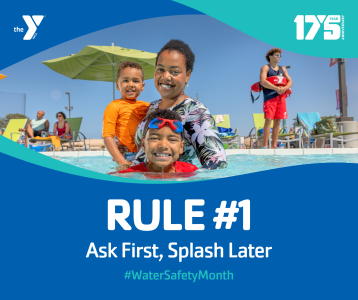
Before any child enters the water, any water, they should ask a trusted adult for permission. This simple habit creates a moment of pause that can prevent accidents. It also opens the door for adults to assess the environment: Is a lifeguard on duty? Is the water safe? Is everyone ready?
Teaching kids to "ask first" isn't about restricting fun; it's about building a reflex that keeps them safe for life.
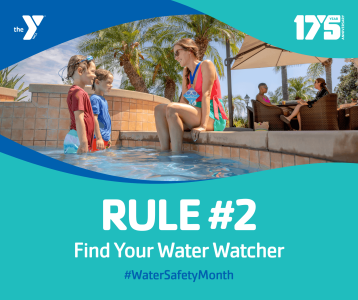
Every swim session needs a designated Water Watcher: a responsible adult whose sole job is to actively supervise children in or near the water. No phones. No distractions. Just eyes on the water.
Unlike casual supervision, a Water Watcher is fully focused. If you're at a pool party or a family outing, rotate the role so everyone gets a break, but make sure the baton is always passed before stepping away. Drowning can happen silently and quickly, often in just seconds.
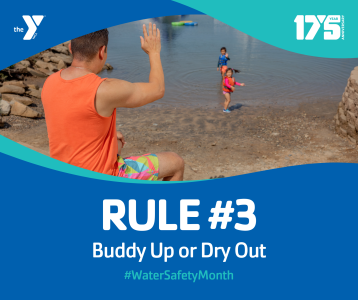
No one swims alone. The buddy system is one of the oldest and most effective water safety practices there is, and for good reason. When swimmers are paired up, they look out for each other, notice when something is wrong, and can call for help.
This rule applies whether you're at a supervised pool or a natural body of water. If your buddy isn't there, it's time to get out.
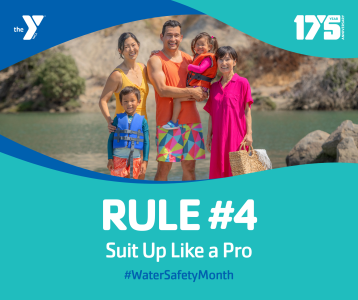
When swimming in open water, lakes, rivers, or the ocean, wearing a properly fitted life jacket (also called a personal flotation device, or PFD) is a must for young and inexperienced swimmers. A life jacket should be U.S. Coast Guard-approved, the right size for the child's weight, and worn snugly with all buckles fastened.
Floaties and swim wings are fun, but they are not safety devices. A certified life jacket is the real thing.
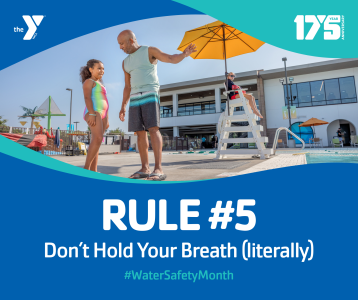
This rule might surprise some parents: breath-holding games and extended underwater swimming can be genuinely dangerous. A phenomenon known as shallow-water blackout can occur when swimmers hyperventilate before diving, causing them to lose consciousness without warning.
Talk to your kids about this risk. No breath-holding contests. No seeing who can stay under the longest. And always swim near a lifeguard who is trained to recognize and respond to emergencies.
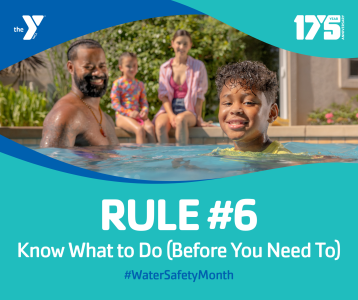
Water emergencies happen fast. The best time to learn what to do is before a crisis, not during one. Families should know:
- How to call for help: know the locations of lifeguard stations and emergency phones, and how to dial 911.
- Reach or throw, don't go: if someone is in trouble, reach with an object or throw a flotation device rather than jumping in, which can put you at risk too.
- CPR basics: consider taking a CPR and first aid course. The Y offers these in many locations.
Knowledge is one of the most powerful safety tools you can give your family.
Make Water Safety a Family Habit
Water safety isn't a one-time conversation; it's an ongoing practice. Review these rules at the start of every swim season, before trips to the beach or lake, and whenever you're introducing children to a new aquatic environment.
At the Y, we believe that safe swimmers are confident swimmers. When kids understand the rules and adults model them consistently, everyone can enjoy the water with greater peace of mind.
Share these rules with your family and help us spread the word.
